

I come from a background in architecture and remodeling, and today I run my own firm doing full residential redesigns: kitchens, bathrooms, and furnishing and styling for every other room in the house. So when people ask me whether hiring a designer is worth it, I have to be honest about my own industry.
The short answer is that it depends on your project and on how much you stand to lose if you get it wrong. Here is how I think about it, starting with a story that shows what I mean.
The sofa that never got ordered
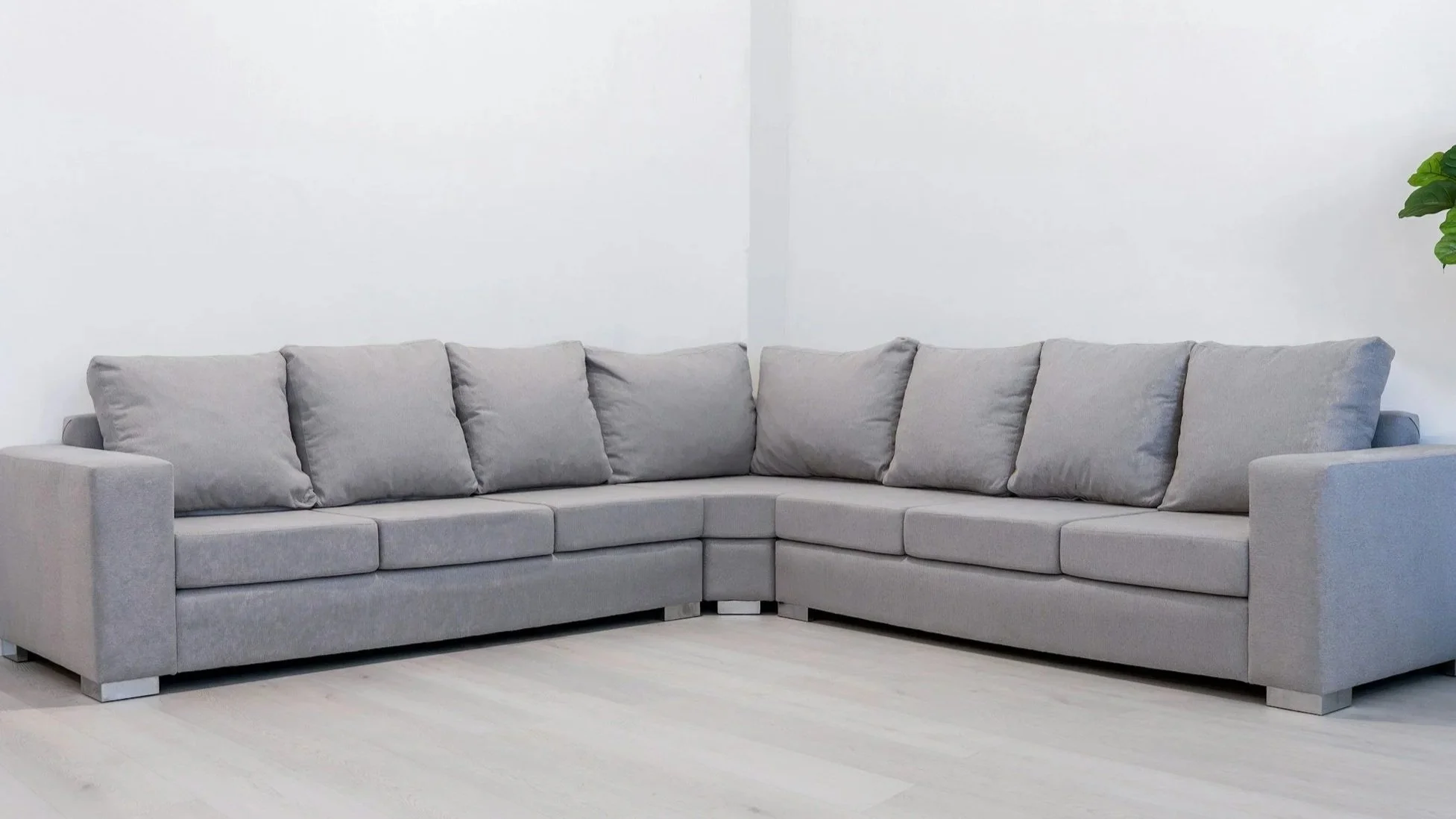
A while back I got a call from a potential client standing in a furniture store, completely overwhelmed. They were buying a pre-construction home with four bedrooms and needed to furnish every room.
Starting with a plan
We met to talk through their style and budget. Then I space planned the entire house: how each room would function, what each family member's bedroom needed, and where the guest room fit. For every room we built a list of priorities, whether that was budget, function, or something that could wait, like the guest bedroom.
That gave them the full picture of the project and every number attached to it. They could phase their purchases around what they needed for move-in and what could be held for later.
The catch that saved them
They had picked out a very large sofa for the family room and were about to place the order. Because I had measured the kitchen island, the walkways, and the connections to the neighboring rooms, we could see what a showroom floor can't show you. The sofa would sit uncomfortably close to a very large TV, crowd the kitchen island, and leave no space for the other furniture they needed.
They never placed the order. The proportions simply didn't work, and they found out before spending a dollar. That is the kind of value a designer brings that never shows up on a mood board.
The myth that designers are only for the very wealthy
There is a popular belief that designers work exclusively with huge homes, original artwork, and top-of-the-line everything. For those projects, a designer is a necessity, because the planning involved is enormous. But they are not the only clients who benefit.
Who a designer really helps
• Busy professionals who don't have the time to research every sofa construction, fabric, wood, and finish on the market
• People who want to invest in quality pieces but aren't sure where quality matters most
• Anyone facing a full-home project, where dozens of decisions have to work together
Where to splurge and where to save
Not every piece in a room has to be expensive or made to order. A well-designed room is usually a combination: a durable, well-built sofa in a beautiful fabric, paired with more affordable side tables and floor lamps. Knowing where to put the budget and where to save is the expertise you're paying for. A good designer keeps you from overspending on pieces that don't need it, and from underspending on the ones that do.
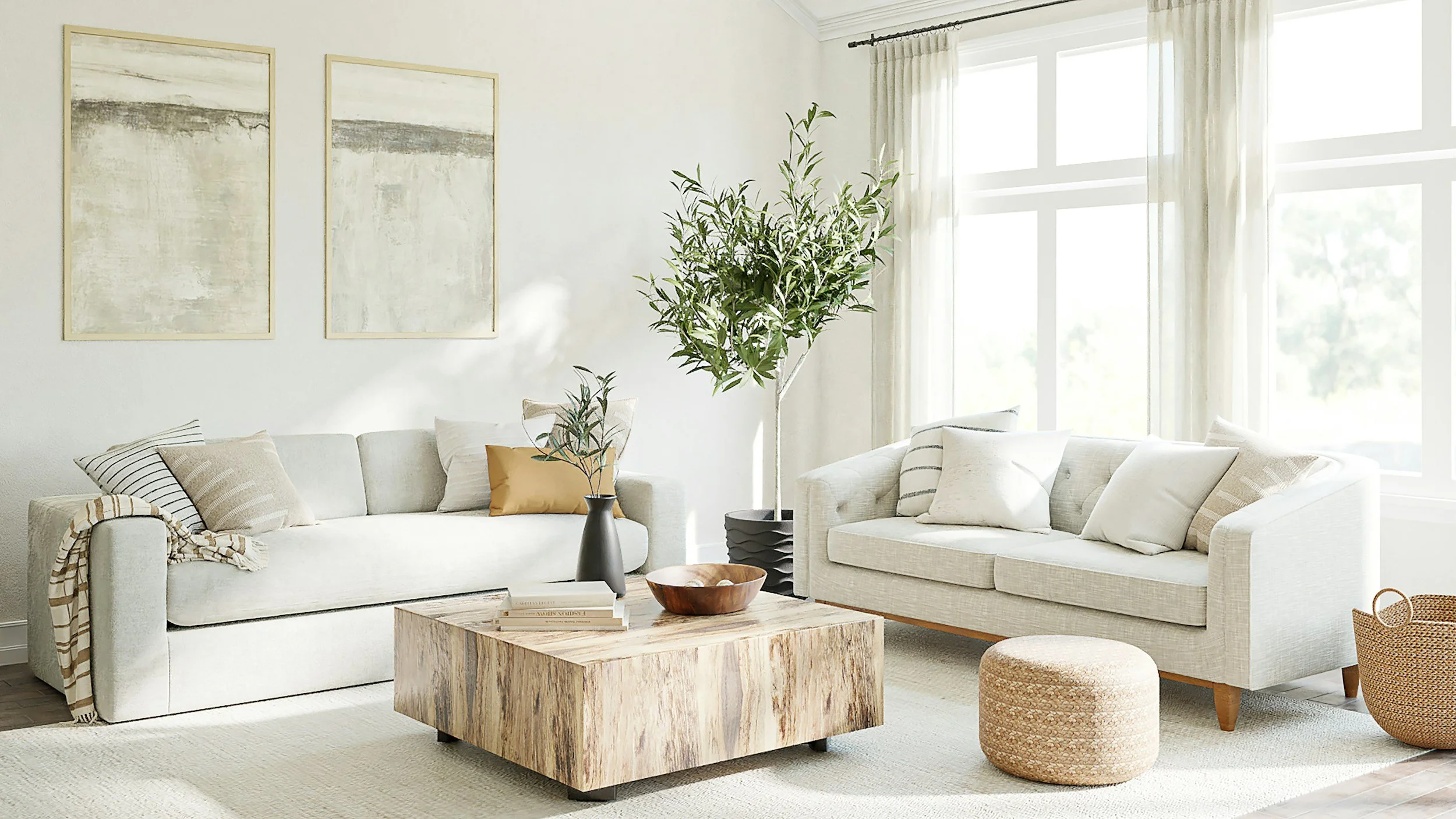
A complete design that feels effortless
What you're really paying for:
Time
The number of options online and in stores is overwhelming. I work with furniture lines at many different budget points, so I can narrow the field to pieces that fit your project instead of sending you through endless research.
Access and firsthand knowledge
I travel to market, in places like North Carolina and Las Vegas, and visit showrooms and partner brands that are rarely available where my clients live. I get to touch the furniture, see how it's built, and judge the quality in person. When I recommend a console, a TV stand, or a side table, it's because I've seen it, not because the photos looked good. Many of these pieces compete with what you'll find online, but I've already vetted them.
Mistake prevention
Scale, proportion, walkways, and how a room functions day to day are the things that get missed when you shop one piece at a time. They are also the most expensive things to fix after delivery.
A plan
Knowing the whole project and its full cost up front lets you make confident decisions and phase the work to fit your life.
When hiring a designer is not worth it
I'd be doing you a disservice if I said everyone should hire one. There are real situations where it doesn't make sense.
The budget is very tight
Design is a cost that doesn't go toward the goods in your room. When the budget is already stretched, that fee takes away from what you can actually buy.
The scope is too small
If you're finishing up a project, or adding a few pieces to a room that's mostly done, there often isn't enough scope for a designer to design.
Flips and quick-turn projects
Most designers need to place at least a portion of the furniture purchases through their firm for a project to make sense. If the plan is a flip or a quick return using low-cost, fast-fashion furniture, or all DIY online purchases, there is no room for the designer to provide product and services. The design fee also becomes a big portion of the total budget.
Starter homes with very little budget
If the investment isn't large enough to need protecting, hiring a professional usually doesn't make sense. An honest designer will tell you that up front.
So, is it worth it?
My rule of thumb
A designer is worth it when the decisions you're making are expensive, hard to undo, or numerous enough to overwhelm you. If you're about to spend thousands on furniture or finishes, the cost of one mistake can easily outweigh the cost of professional guidance. A trained designer with product knowledge and access to the right resources can steer you toward the right decisions.
Questions to ask yourself
• How much am I investing, and how much of it do I want to protect?
• Do I have the time to research and manage all of this myself?
• How painful would one big mistake be?
What to look for in a designer
Look for someone who listens to how you actually live, is clear about how they work and charge, and has access to quality options at a range of budget points rather than only the most expensive ones.
My philosophy
I believe everyone deserves to have someone by their side while they make their house a home: someone who cares about how you live and what you're trying to invest in and protect, so you can feel confident in every decision.
My goal is simple. I want you to walk into your home and feel like it's finished, a reflection of who you are and how you live, rather than an endless to-do list. If you're wondering whether a designer is right for your project, I'm happy to talk it through, even if the honest answer is that you don't need one yet.